
Welcome to our comprehensive guide about diy plans for garden shed.
Introduction: Why Build Your Own Garden Shed?

Have you ever looked out at your garden, envisioning a neat, organized space free from clutter? Perhaps you’re tired of tripping over gardening tools, or maybe your lawnmower is perpetually exposed to the elements. Building your own garden shed isn’t just about storage; it’s about reclaiming your outdoor space, enhancing your property’s functionality, and injecting a touch of personal craftsmanship into your home environment.
The Undeniable Advantages of DIY Shed Construction
Opting to build your garden shed yourself rather than buying a pre-fabricated unit offers a wealth of benefits that extend far beyond simple cost savings.
- Significant Cost Savings: This is often the primary motivator. By sourcing materials yourself and providing your own labor, you can dramatically reduce the overall expenditure. For example, a 8×10 foot pre-built shed might cost upwards of $2,000-$3,000, whereas building a comparable one yourself could come in closer to $800-$1,500, depending on material choices and local pricing.
- Tailored Customization: Unlike off-the-shelf options, a DIY shed can be precisely designed to meet your unique needs and aesthetic preferences. Need extra-tall walls for storing long handled tools? Want a specific window placement for natural light? Dreaming of a workbench integrated into the design? With DIY, these are all possibilities. You’re not just building a shed; you’re crafting a solution.
- Quality Control & Durability: When you build it yourself, you control the quality of every component. You can choose superior lumber, robust fasteners, and durable roofing materials that might be skimped on in mass-produced kits. This hands-on approach often results in a sturdier, longer-lasting structure that stands up better to weather and wear.
- Sense of Accomplishment: There’s an immense satisfaction that comes from stepping back and admiring something you’ve built with your own hands. A DIY shed isn’t just a structure; it’s a testament to your capability and dedication, a tangible representation of your hard work.
What This Guide Offers You
This comprehensive guide is your ultimate resource for transforming that vision into a tangible reality. We’ll walk you through every critical step, from selecting the perfect plan to laying the foundation and adding the finishing touches. You’ll discover detailed advice on navigating local regulations, choosing the right tools and materials, and even access free, downloadable plans complete with material lists. Whether you’re a seasoned DIY enthusiast or a first-time builder, our expert tips and step-by-step instructions are designed to empower you to construct a durable, functional, and aesthetically pleasing garden shed that perfectly complements your home.
Ready to embark on this rewarding journey? Dive into our comprehensive resources and discover how straightforward and fulfilling building your own shed can be. Start planning your project today with our detailed diy plans for garden shed.
Choosing the Right DIY Garden Shed Plan for You

The journey to building your perfect DIY garden shed begins with selecting the right plan. This isn’t a one-size-fits-all decision; it requires careful consideration of your specific needs, the space you have available, and your personal aesthetic preferences.
Defining Your Shed’s Purpose and Size
Before you even look at plans, ask yourself: What will my shed be used for? This fundamental question will dictate its size, layout, and even the materials you choose.
- Storage Shed: If your primary goal is to declutter your garage, a simple utility shed might suffice. Consider what you’ll be storing – lawnmowers, garden tools, seasonal decorations, bicycles – and measure the largest items to ensure everything fits comfortably. A 6×8 or 8×10 foot shed is often ample for general storage.
- Workshop or Hobby Space: For woodworking, potting plants, or other crafts, you’ll need more room for benches, tools, and movement. Adequate natural light and electrical access might also be priorities. A 10×12 or even a 12×16 foot shed could be ideal, allowing for dedicated work zones.
- Greenhouse/Potting Shed: These often require specific features like translucent roofing, ample shelving, and good ventilation. A lean-to style against an existing structure can be efficient for this purpose.
- “She Shed” or “Man Cave”: If your shed is destined to be a personal retreat, comfort features like insulation, windows, and perhaps a small porch become important, influencing the overall design and size.
Once the purpose is clear, determine the ideal size. Don’t just think about what you have now, but what you might acquire in the future. Overlooking future needs can lead to outgrowing your shed quickly.
Exploring Shed Styles and Design Considerations
Beyond function, the look of your shed plays a significant role, especially if it will be a prominent feature in your yard.
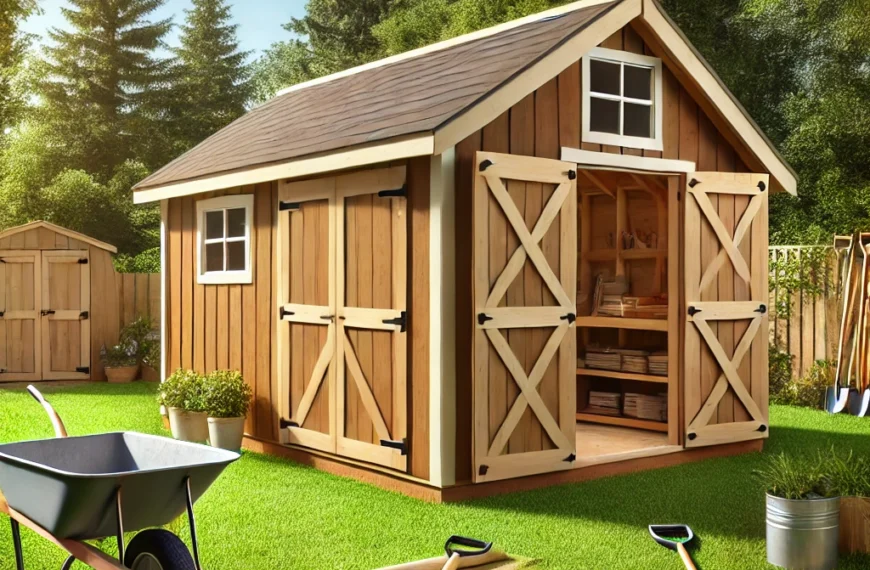
- Gable Shed: This is the most common style, featuring a triangular roof that slopes down on two sides. It offers good headroom and is relatively straightforward to build, suitable for most uses.
- Barn Shed (Gambrel Roof): Characterized by its distinctive two-sloped roof on each side, a barn shed provides excellent overhead storage space, often with a loft. This is perfect for maximizing vertical storage without increasing the footprint, great for larger tools or seasonal items.
- Lean-To Shed: Designed to be built against an existing wall (house, fence), lean-to sheds are space-efficient and cost-effective, using one less wall. They’re ideal for narrow spaces or as a discreet storage solution.
- Saltbox Shed: With an asymmetrical gable roof, one side longer than the other, saltbox sheds offer a unique aesthetic and can provide extra head clearance on one side.
- Modern/Contemporary: These often feature flat roofs, clean lines, and minimalist designs, blending well with modern home architecture.
Consider how the shed’s style will complement your home and garden. Also, think about practical elements like the number and placement of windows for natural light and ventilation, and door size – will you need double doors to get larger items in and out?
Key Factors for Selection
Finally, let’s consolidate the critical factors for your plan selection:
- Available Space: Measure your proposed shed location carefully, accounting for eaves and door swings. Ensure adequate clearance from property lines, fences, and other structures.
- Climate: In snowy regions, a steeper roof pitch (like a gable or barn) helps shed snow. For hot climates, consider plans with good ventilation options and perhaps an overhang for shade.
- Your Skill Level: Some plans are more complex than others. Be honest about your DIY experience. Simple gable or lean-to designs are generally beginner-friendly, while multi-level barn sheds might require more advanced carpentry skills.
- Budget: Free plans are a great starting point, but remember to factor in materials, tools, and potential foundation costs. More elaborate designs will naturally incur higher material expenses.
By thoroughly evaluating these points, you’ll be well-equipped to choose a plan that not only meets your practical needs but also enhances your outdoor living space. To explore a wide variety of designs and find the perfect match for your project, browse our extensive collection of diy plans for garden shed.
Navigating Local Regulations: Permits and Building Codes
Before you even pick up a hammer, understanding your local regulations is paramount. Ignoring permits and building codes can lead to costly fines, forced demolition, or even legal action. This step ensures your shed is safe, complies with community standards, and avoids future headaches.
Understanding Permit Thresholds and Setbacks
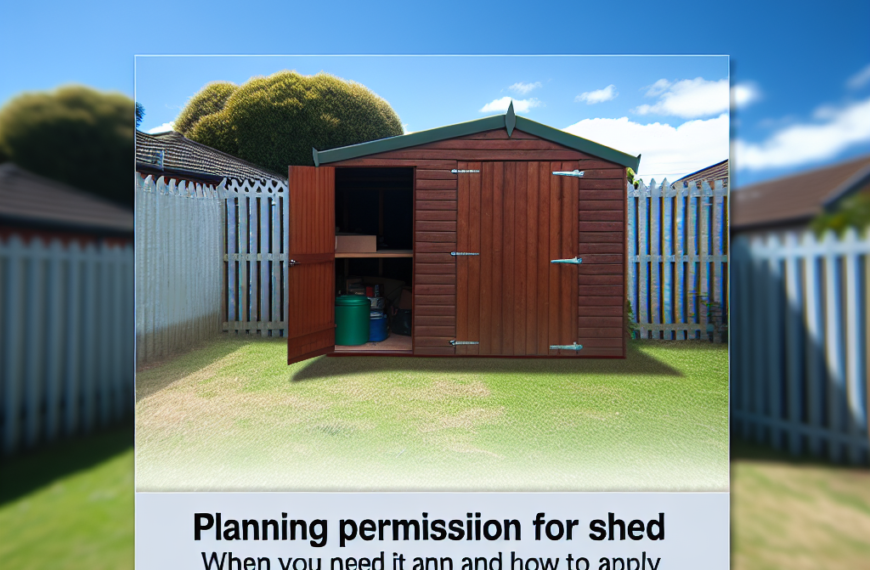
Most municipalities have specific rules dictating when a building permit is required for accessory structures like garden sheds. These often hinge on the shed’s size, height, and proximity to property lines.
- Size Thresholds: Many areas exempt small sheds (e.g., under 100 or 120 square feet) from requiring a full building permit, though they might still need zoning approval or be subject to setback rules. For instance, a 6×8 foot shed might be permit-free, while an 8×12 foot shed could require one.
- Height Restrictions: Taller sheds generally face more scrutiny. A shed exceeding 10 or 12 feet in height might automatically trigger permit requirements, regardless of its footprint.
- Setback Requirements: These dictate how far your shed must be from property lines, other structures, and sometimes even natural features. For example, your shed might need to be at least 5 feet from side and rear property lines, and 10 feet from your main dwelling. These rules aim to ensure proper light, air, and fire safety.
- HOA Rules: If you live in a community with a Homeowners Association (HOA), their covenants often have additional restrictions on shed size, materials, color, and placement that supersede or complement local ordinances. Always check with your HOA.
Navigating the Permit Application Process
Once you’ve determined a permit is needed, the application process typically involves several steps:
- Identify the Authority: Start by contacting your local city or county planning, zoning, or building department. Their websites are often a great resource for initial information.
- Gather Documentation: You’ll likely need to submit a site plan (a drawing of your property showing lot lines, existing structures, and the proposed shed location with dimensions and setbacks), detailed construction drawings of your shed (including dimensions, materials, foundation type), and potentially a materials list.
- Complete the Application: Fill out all required forms accurately. Be prepared to pay an application fee, which varies widely by location and project scope.
- Await Review: Building officials will review your application for compliance with zoning bylaws, building codes (structural integrity, fire safety, etc.), and environmental considerations. This can take anywhere from a few days to several weeks.
- Receive Approval: Once approved, you’ll receive your permit. Do not begin construction before receiving this.
Best Practice: When in doubt, always err on the side of caution and consult with your local building department. They are there to help ensure safe and compliant construction. Having a clear understanding and obtaining the necessary approvals upfront will save you significant time, money, and stress in the long run.
For a wide selection of detailed and compliant diy plans for garden shed, complete with material lists and step-by-step instructions, explore our recommended resources.
Essential Tools and Materials for Your Shed Project
Building your own garden shed is a rewarding project, but it requires the right arsenal of tools and the correct materials. Understanding what you’ll need upfront will save you time, frustration, and extra trips to the hardware store.
Essential Tools: From Handheld to Power-Driven
Even for a beginner, a well-equipped toolkit is crucial. You don’t need a professional workshop, but certain items are non-negotiable.
- Measuring & Marking:
- Tape Measure: A 25-foot tape measure is essential for accurate cuts and layouts.
- Pencil & Carpenter’s Square: For marking precise lines and ensuring corners are truly square.
- Chalk Line: Great for snapping long, straight lines on foundations or large panels.
- Cutting:
- Circular Saw: Your primary tool for cutting lumber. Look for one with a sharp blade suitable for wood.
- Miter Saw (Optional but Recommended): Excellent for precise crosscuts and angled cuts on framing lumber.
- Utility Knife: For cutting roofing felt, vapor barriers, or scoring siding.
- Fastening:
- Cordless Drill/Driver: Indispensable for driving screws and drilling pilot holes. Opt for at least an 18V model.
- Hammer: For nailing, prying, and general adjustments. A 16-20 oz claw hammer is versatile.
- Nail Gun (Optional): Speeds up framing and siding installation significantly.
- Safety Gear: Always prioritize safety.
- Safety Glasses: Protect your eyes from debris.
- Work Gloves: Prevent splinters and cuts.
- Hearing Protection: Especially when using power tools for extended periods.
Key Materials: Building Blocks of Your Shed
Your chosen shed plan will provide a detailed materials list, but here’s a general overview of what to expect:
- Lumber:
- Framing Lumber: Typically 2x4s or 2x6s (e.g., pressure-treated for the base, standard for walls and roof trusses).
- Plywood/OSB: For flooring, wall sheathing, and roof decking. Common thicknesses are 5/8″ for floors and 7/16″ for walls/roof.
- Roofing:
- Roofing Felt/Underlayment: A protective layer beneath shingles.
- Asphalt Shingles: The most common and cost-effective roofing material. Consider architectural shingles for better aesthetics and longevity.
- Drip Edge: Metal flashing installed along roof edges to direct water away.
- Siding:
- Plywood Siding (T1-11): A popular, affordable choice that acts as both sheathing and exterior finish.
- Vinyl Siding: Durable, low-maintenance, but requires additional sheathing.
- Wood Siding (e.g., cedar, clapboard): Offers a classic look but requires more maintenance.
- Fasteners:
- Exterior Screws: Deck screws or construction screws (e.g., 2.5-3 inches for framing).
- Nails: Common nails for framing, roofing nails for shingles, finish nails for trim.
- Hurricane Ties/Connectors: Metal plates used to reinforce structural connections, especially in high-wind areas.
- Hardware:
- Door Hinges & Latch: Heavy-duty options are recommended for shed doors.
- Windows (Optional): Pre-built shed windows or acrylic panes.
Material Cost Considerations
The cost of materials can vary significantly based on shed size, design complexity, and material choices. A smaller, basic 6×8 shed using T1-11 siding and asphalt shingles will naturally be far less expensive than a larger 10×12 shed with premium wood siding, multiple windows, and an elaborate roofing system. Always factor in potential waste and buy a little extra of critical materials like fasteners and lumber – it’s better to have too much than too little. Creating a detailed material list from your chosen plan and getting quotes from local suppliers is the best way to estimate your project’s budget accurately.
To get started on your shed-building journey, explore comprehensive diy plans for garden shed that include detailed material lists and step-by-step instructions.
Foundation Options: Building a Solid Base
Choosing the right foundation is paramount for the longevity and stability of your DIY garden shed. A solid base protects your shed from moisture, prevents shifting, and ensures the structure remains square over time. The best option for you will depend on your shed’s size, local climate, soil conditions, and budget.
Common Foundation Types for DIY Sheds
Let’s explore the most popular choices:
- Skid Foundation (Runners): This is arguably the simplest and most cost-effective option, ideal for smaller, lighter sheds that might need to be moved in the future.
- Description: The shed rests on pressure-treated lumber skids (typically 4x4s or 4x6s) that sit directly on the ground or on concrete blocks. These skids allow for some airflow underneath and distribute the shed’s weight.
- Best for: Small to medium-sized sheds, temporary structures, areas with good drainage, and flat terrain.
- Tip: Ensure the ground is level and compacted. Placing gravel or concrete pavers under the skids can further improve drainage and prevent wood rot.
- Gravel Pad Foundation: A step up in durability and protection, a gravel pad provides excellent drainage and a stable, level surface.
- Description: A shallow excavation is filled with several inches of compacted gravel (typically ¾-inch crushed stone). This creates a permeable base that keeps moisture away from the shed’s floor and discourages weeds.
- Best for: Most shed sizes, areas with moderate drainage, and those seeking a more permanent solution than skids alone.
- Tip: Use a landscape fabric beneath the gravel to prevent weed growth and stop the gravel from sinking into the soil. A perimeter of pressure-treated lumber or landscape timbers can contain the gravel.
- Concrete Slab Foundation: The most robust and permanent option, a concrete slab offers maximum stability and moisture protection.
- Description: A reinforced concrete pad is poured directly on a prepared and leveled sub-base of gravel. This creates a solid, impervious floor for your shed.
- Best for: Large, heavy sheds, workshops, sheds housing valuable equipment, areas with poor drainage, or regions prone to high winds.
- Considerations: This option requires more expertise, labor, and materials. Proper reinforcement (rebar or wire mesh) is crucial to prevent cracking.
Choosing the Right Foundation for Your Project
When making your decision, consider these factors:
- Shed Size and Weight: Larger, heavier sheds demand more substantial foundations like concrete slabs or well-prepared gravel pads.
- Soil Type: Sandy soils drain well, while clay soils retain water. Poorly draining soils benefit greatly from gravel pads or concrete slabs that elevate the shed.
- Local Climate: Areas with heavy rainfall or snow require foundations that lift the shed off the ground to prevent moisture damage.
- Budget and Skill Level: Skid foundations are the most budget-friendly and DIY-friendly. Concrete slabs are the most expensive and often require professional help.
- Permit Requirements: Some local building codes may mandate specific foundation types for certain shed sizes or locations.
Regardless of the foundation you choose, meticulous site preparation, including clearing debris, leveling the ground, and ensuring proper drainage, is non-negotiable for a successful build. For detailed instructions and material lists for various shed designs, explore comprehensive diy plans for garden shed.
Free DIY Garden Shed Plans with Materials List (PDF Downloads)
Discover Your Perfect Free Shed Plan
Embarking on a DIY shed project doesn’t have to break the bank, especially when it comes to plans. We’ve curated a selection of fantastic free DIY garden shed plans, each complete with a comprehensive materials list and often detailed instructions. These resources are perfect for visualizing your project and understanding the scope before you even pick up a hammer.
Featured Free Plans & What to Expect:
- The Compact 6×8 Utility Shed (PDF Download): Ideal for smaller yards or basic storage needs, this plan typically features a single-slope roof and a simple door. Expect a materials list detailing lumber dimensions, roofing materials, and hardware.
- Difficulty: Easy
- Estimated Build Time: 2-3 weekends
- The Classic 8×10 Gable Shed (PDF Download): A popular choice for its versatility and traditional aesthetic, this plan often includes detailed framing diagrams, a cut list for all lumber, and step-by-step assembly instructions. You might find variations with windows or a double door.
- Difficulty: Moderate
- Estimated Build Time: 3-4 weekends
- The Spacious 10×12 Workshop Shed (PDF Download): For those needing more space for tools, hobbies, or a dedicated workspace, this plan provides ample room. Look for designs that include options for shelving, workbenches, and possibly electrical rough-ins.
- Difficulty: Moderate to Advanced
- Estimated Build Time: 4-6 weekends
Each of these free plans prioritizes clarity, often including:
- Visual Aids: Detailed blueprints, 3D renderings, and exploded views make understanding the construction process much easier.
- Cut Lists: Precisely measured lists for each piece of lumber, minimizing waste and saving time.
- Materials Lists: A comprehensive rundown of everything you’ll need, from framing lumber and siding to roofing and fasteners. This helps in accurate budgeting and procurement.
Tip: Always review the entire plan and materials list before purchasing anything. Sometimes, minor adjustments to your shed’s dimensions can significantly impact material requirements. Pay close attention to the recommended lumber grades and fastener types for structural integrity.
For a broader selection of high-quality, free, and premium diy plans for garden shed projects, many of which come with detailed materials lists and step-by-step guides, check out our recommended resources.
Step-by-Step Construction Guide (General Overview)
Building a garden shed, while rewarding, involves a series of logical steps. This general overview will walk you through the typical construction phases, giving you a clearer picture of what to expect.
Establishing the Structure
The first major phase involves creating the shed’s skeleton.
- Foundation and Floor Framing: After preparing your chosen foundation (skid, concrete slab, or post-and-beam), you’ll construct the floor frame. This typically involves cutting and assembling pressure-treated lumber for the perimeter band joists and interior floor joists, then securing them with appropriate fasteners. Plywood or OSB sheeting is then laid and screwed down to form the floor.
- Wall Framing: Next, you’ll build the wall frames on the completed floor. This involves cutting studs, top plates, and sole plates according to your plan. Assemble these into individual wall sections (e.g., front, back, and two sides) on the floor, ensuring they are square. Once assembled, carefully raise each wall section into place, temporary bracing them, and securing them to the floor frame. Double-check for plumb and level before permanently fastening.
- Roof Framing: The roof structure is crucial for protection. For smaller sheds, pre-built trusses or rafter-and-ridge beam construction are common. Cut and install rafters, ensuring proper spacing and angle for your roof pitch. Once the rafters or trusses are in place, apply OSB or plywood roof sheathing. This creates the solid surface for your roofing material.
Enclosing and Finishing
With the main structure in place, the next steps focus on weatherproofing and aesthetics.
- Roofing Installation: This is a critical weatherproofing step. Lay down roofing felt or synthetic underlayment first, followed by your chosen roofing material – typically asphalt shingles, metal panels, or even cedar shakes. Pay close attention to overlap and sealing details to prevent leaks.
- Siding and Trim: Once the roof is on, you can install the exterior siding. Common options include T1-11 plywood, cedar clapboard, vinyl siding, or horizontal lap siding. Cut and fasten the siding panels or boards, working from the bottom up. After the siding, install trim boards around corners, windows, and doors for a clean, finished look and added weather protection.
- Doors and Windows: If your plan includes doors and windows, now is the time to build and install them. This involves framing out the rough openings during wall construction, then installing pre-hung units or building custom doors and window frames. Ensure they operate smoothly and are properly sealed.
The Final Touches
These steps bring your shed to life and make it fully functional.
- Painting and Staining: Protect your shed from the elements and enhance its appearance with a coat of paint or stain. Choose exterior-grade products and apply according to manufacturer instructions. This step is also a good opportunity to add a pop of color to your garden.
- Interior Fit-Out: Consider adding shelving, workbenches, or tool hangers to maximize your shed’s utility. These can be installed after the main construction is complete.
Remember, patience and adherence to your chosen plan are key. For detailed, step-by-step instructions and material lists, explore various diy plans for garden shed.
Expert Tips for a Successful DIY Shed Build
Building your own garden shed is a rewarding project, but success often hinges on attention to detail and smart planning. Here are expert tips to ensure your DIY shed build goes smoothly and results in a durable, functional structure.
Prioritizing Safety and Precision
- Safety First, Always: Before touching a tool, prioritize safety. Wear safety glasses to protect against flying debris, work gloves to prevent splinters and cuts, and hearing protection when operating power tools. Ensure your work area is clear of trip hazards and well-lit. Never rush, especially when using saws or drills.
- Measure Twice, Cut Once: This old adage is paramount in shed construction. Even a small error in measurement can lead to ill-fitting components and wasted materials. Use a reliable tape measure and a speed square or framing square for accurate markings. When cutting, always double-check your lines before making the final cut. For instance, precisely measuring studs for wall framing ensures your walls are plumb and square.
- Understand Your Materials: Familiarize yourself with the properties of your chosen lumber and sheeting. Know which side of plywood or OSB is meant to face outwards for better weather resistance. Store materials properly, elevated off the ground and covered, to prevent warping or moisture damage.
Enhancing Durability and Functionality
- Effective Weatherproofing: A shed’s longevity depends heavily on its ability to withstand the elements.
- Roofing: Install roofing felt or synthetic underlayment before shingles or metal roofing for an extra layer of protection. Ensure adequate overhangs to direct water away from the walls.
- Sealants: Use high-quality exterior caulk to seal gaps around windows, doors, and trim.
- Paint/Stain: Apply at least two coats of exterior-grade paint or stain to all exposed wood surfaces. This not only adds aesthetic appeal but also forms a crucial barrier against moisture and UV damage. For example, painting the bottom edge of siding helps prevent water wicking.
- Strategic Customization: Think beyond the basic box. Incorporating custom features from the start can significantly enhance your shed’s utility.
- Ramps: If you plan to store heavy equipment like lawnmowers, a sturdy access ramp is invaluable. Design it with a gentle slope and non-slip surface.
- Shelving & Storage: Install adjustable shelving units on walls for organized storage of small tools and supplies. Consider overhead racks for seasonal items.
- Workbenches: A built-in workbench provides a dedicated space for repairs and projects, making your shed a true workshop. Ensure it’s robustly supported and at a comfortable working height.
- Ventilation: Include vents near the roof and eaves to promote airflow, preventing moisture buildup and keeping temperatures regulated inside, crucial for storing sensitive materials.
By integrating these expert tips into your DIY shed project, you’ll not only build a robust and functional structure but also enjoy a smoother, safer construction process. For comprehensive guides and detailed instructions, explore a variety of diy plans for garden shed.
Free vs. Premium Plans: What’s the Difference?
When embarking on a DIY garden shed project, one of the first decisions you’ll face is whether to use free plans or invest in premium ones. Understanding the distinctions between these two categories is crucial for a successful and frustration-free build.
Understanding the Core Differences
Free DIY Shed Plans
- Accessibility: Readily available online through blogs, forums, and government resources.
- Cost: Absolutely free, making them attractive for budget-conscious builders.
- Detail Level: Often provide a basic framework, including general dimensions, a simple materials list, and fundamental construction steps. For example, a free plan might show a basic 8×10 gable shed with stud spacing and roof pitch but lack intricate details on window flashing or specialized framing.
- Support: Typically non-existent. If you encounter a problem or have a question, you’re usually on your own, relying on general DIY knowledge or online communities.
- Customization: May require significant modifications and calculations on your part to adapt to specific needs or local building codes.
Premium DIY Shed Plans
- Cost: Involves an upfront purchase, ranging from affordable to more significant investments depending on complexity and features.
- Detail Level: Offer comprehensive, professional-grade blueprints. This includes detailed cut lists, precise measurements, 3D renderings, step-by-step illustrated instructions, foundation options, and sometimes even electrical wiring diagrams. A premium plan for an 8×10 shed might include exact angles for roof rafters, specific fastener types, and detailed instructions for building a sturdy door.
- Materials List: Often includes highly accurate and itemized materials lists, helping to minimize waste and unexpected trips to the hardware store.
- Support: Many premium plan providers offer customer support, access to builder communities, or even direct consultation, which can be invaluable for beginners or complex projects.
- Code Compliance: Frequently designed with common building codes in mind, though local variations always require checking.
When to Choose Which Option
Opt for Free Plans if:
- You have significant prior construction experience and can fill in the gaps of less detailed plans.
- Your project is very simple (e.g., a small, basic storage box, not a full-sized shed).
- Your budget is extremely tight, and you’re willing to invest more time in research and problem-solving.
- You enjoy the challenge of figuring things out and adapting plans.
Consider Premium Plans if:
- You’re a beginner or have limited construction experience and need clear, unambiguous instructions.
- You want to save time and reduce frustration by having all the details laid out for you.
- Accuracy and a professional finish are high priorities.
- You’re building a larger or more complex shed that requires robust engineering and detailed planning.
- You value access to support and a community of builders.
Choosing the right plan type is a balance between your skill level, budget, and desired outcome. While free plans can be a starting point, premium plans often provide the comprehensive guidance and peace of mind necessary for a truly successful and lasting DIY shed build. For those looking for detailed, professional guidance to construct their perfect garden shed, explore comprehensive diy plans for garden shed that can make your project a breeze.
Visitor Showcase: Real-Life DIY Shed Projects
Inspiring Creations from Our Community
There’s nothing quite like seeing a project come to life, and our community of DIY shed builders consistently delivers incredible results. This section isn’t just about showing off; it’s about demonstrating what’s truly achievable with a little dedication, the right plan, and some elbow grease. We’ve gathered a selection of real-life garden sheds, built by people just like you, to spark your imagination and provide tangible proof of success.
- The “Urban Oasis” Shed by Sarah M.: Sarah, from Portland, Oregon, transformed a cluttered backyard corner into a charming 8×10 potting shed. Using our “Classic Gable Shed” plan, she personalized it with reclaimed window frames, a vibrant turquoise paint job, and clever interior shelving for her gardening tools and seed starting trays. Her testimonial highlights how the detailed cut lists saved her significant time and material waste.
- John D.’s “Workshop Haven”: John, a retired carpenter in rural Ohio, needed a robust space for his woodworking hobbies. He opted for our “Heavy-Duty Gambrel Shed” plan, expanding it slightly to 12×16 feet. His finished shed features a sturdy concrete slab foundation, ample natural light from strategically placed windows, and a built-in workbench. John credits the comprehensive material list for helping him stay within his budget and avoid multiple trips to the hardware store.
- The “Modern Mini-Studio” by Lisa K.: Lisa, a graphic designer in Austin, Texas, wanted a quiet space away from her main house. She adapted our “Lean-To Storage Shed” plan, extending its dimensions and adding insulation, drywall, and a small AC unit. Her sleek, minimalist shed, painted in a dark charcoal, now serves as her home office and creative sanctuary. She recommends carefully considering your shed’s future use before you start building to incorporate necessary upgrades.
Lessons from Fellow Builders
These success stories aren’t just pretty pictures; they offer valuable insights. Many builders emphasize the importance of meticulous planning and reading through the entire guide before cutting the first piece of lumber. They also highlight how don’t be afraid to customize; while plans provide a solid framework, adding personal touches like unique paint colors, window boxes, or internal organization systems makes the shed truly yours. Furthermore, several users noted the benefit of enlisting a friend for help with heavy lifting or holding beams in place, making the process safer and more enjoyable.
Seeing these diverse, functional, and beautiful sheds should give you the confidence to embark on your own project. If you’re ready to start visualizing your own garden sanctuary, explore our detailed diy plans for garden shed and turn your vision into reality.
Conclusion: Your Dream Garden Shed Awaits
The journey to building your own garden shed, as we’ve explored, is more than just a construction project; it’s an investment in your home, your hobbies, and your peace of mind. By taking this DIY route, you’re not just adding storage space; you’re crafting a personalized sanctuary for your tools, a functional workshop, or even a charming potting shed. The satisfaction of stepping back and admiring a structure you built with your own hands is truly unparalleled, a testament to your effort and ingenuity.
Embrace the Rewards of DIY
Think back to the initial reasons you considered a DIY shed:
- Cost Savings: Significantly reducing labor costs means more budget for quality materials or other garden enhancements.
- Customization: No pre-fabricated shed can match the exact dimensions, features, and aesthetic you envision. Want extra-wide double doors for your lawnmower? Done. Need a specific window placement for optimal light on your workbench? Absolutely.
- Skill Development: Each cut, each nail, each foundation pour hones your practical skills, building confidence for future DIY endeavors.
- Personal Pride: There’s an inherent joy in creating something tangible and useful from scratch. This shed won’t just hold your gardening tools; it will hold a piece of your dedication.
We’ve covered everything from choosing the perfect plan to navigating local regulations, selecting the right tools, and understanding foundation options. You now have a comprehensive understanding of what it takes to bring your shed vision to life. Remember, every successful build starts with meticulous planning and a solid understanding of the steps involved. Don’t let initial apprehension deter you; thousands of DIY enthusiasts have successfully built their own sheds, and with the right resources, you can too.
Your Next Step: Building Your Dream
This guide has provided you with the foundational knowledge and resources to embark on your garden shed project with confidence. From the initial spark of an idea to the final nail, you’re equipped with insights into planning, material selection, and construction. The process might present challenges, but each one is an opportunity to learn and grow, culminating in a durable, functional, and aesthetically pleasing addition to your outdoor space. Imagine the organized tools, the dedicated workspace, or the beautiful potting station that awaits you.
No more dreaming about the perfect storage solution or workspace – it’s time to make it a reality. Take the first concrete step towards transforming your backyard. Download your free shed plans with materials list PDF today and begin the exciting journey of building your ideal garden shed. Your dream garden shed awaits, ready to be brought to life by your hands. Start building your perfect outdoor space now by exploring these comprehensive diy plans for garden shed.
Thank you for reading our guide about diy plans for garden shed.
Frequently Asked Questions
What are the main advantages of building my own DIY garden shed?
Building your own DIY garden shed offers several key advantages. Firstly, there are significant cost savings because you source materials and provide your own labor. Secondly, it allows for tailored customization, meaning you can design the shed to perfectly fit your specific needs, such as extra-tall walls or integrated workbenches. Thirdly, you have quality control over all components, ensuring a more durable and long-lasting structure. Finally, there’s an immense sense of accomplishment from creating something with your own hands.
How much can I expect to save by building a DIY garden shed compared to buying a pre-built one?
The cost savings can be substantial. For instance, an 8×10 foot pre-built shed might cost between $2,000-$3,000. Building a comparable shed yourself, depending on material choices and local pricing, could potentially cost closer to $800-$1,500. This represents a significant reduction in overall expenditure.
What kind of customization is possible with a DIY garden shed?
With a DIY garden shed, the possibilities for customization are vast. Unlike off-the-shelf options, you can precisely design the shed to meet your unique requirements. This includes features like extra-tall walls for specific tool storage, optimal window placement for natural light, or even integrating a workbench directly into the design. You have complete control over the layout, size, and aesthetic to match your preferences.
What is the crucial first step when planning to build a DIY garden shed?
The crucial first step when planning to build a DIY garden shed is to ask yourself: “What will my shed be used for?” Defining your shed’s purpose is fundamental because it will dictate important aspects such as its necessary size, the best layout, and even the types of materials and features you’ll need. This foundational question guides the entire planning and selection process for your shed plan.