
Embarking on a building project, whether for storage, a workshop, or even a living space, often begins with a solid foundation: a well-thought-out pole shed plan. These versatile structures, also known as pole barns, offer a cost-effective and efficient solution for a myriad of needs. This comprehensive guide will walk you through everything you need to know about selecting, designing, and constructing your ideal pole shed. We’ll delve into the benefits, key considerations, different types of plans available, and the crucial role of pole barn construction documents. Our aim is to equip you with the knowledge to make informed decisions, ensuring your pole shed project is a resounding success from concept to completion.
What is a Pole Shed Plan?
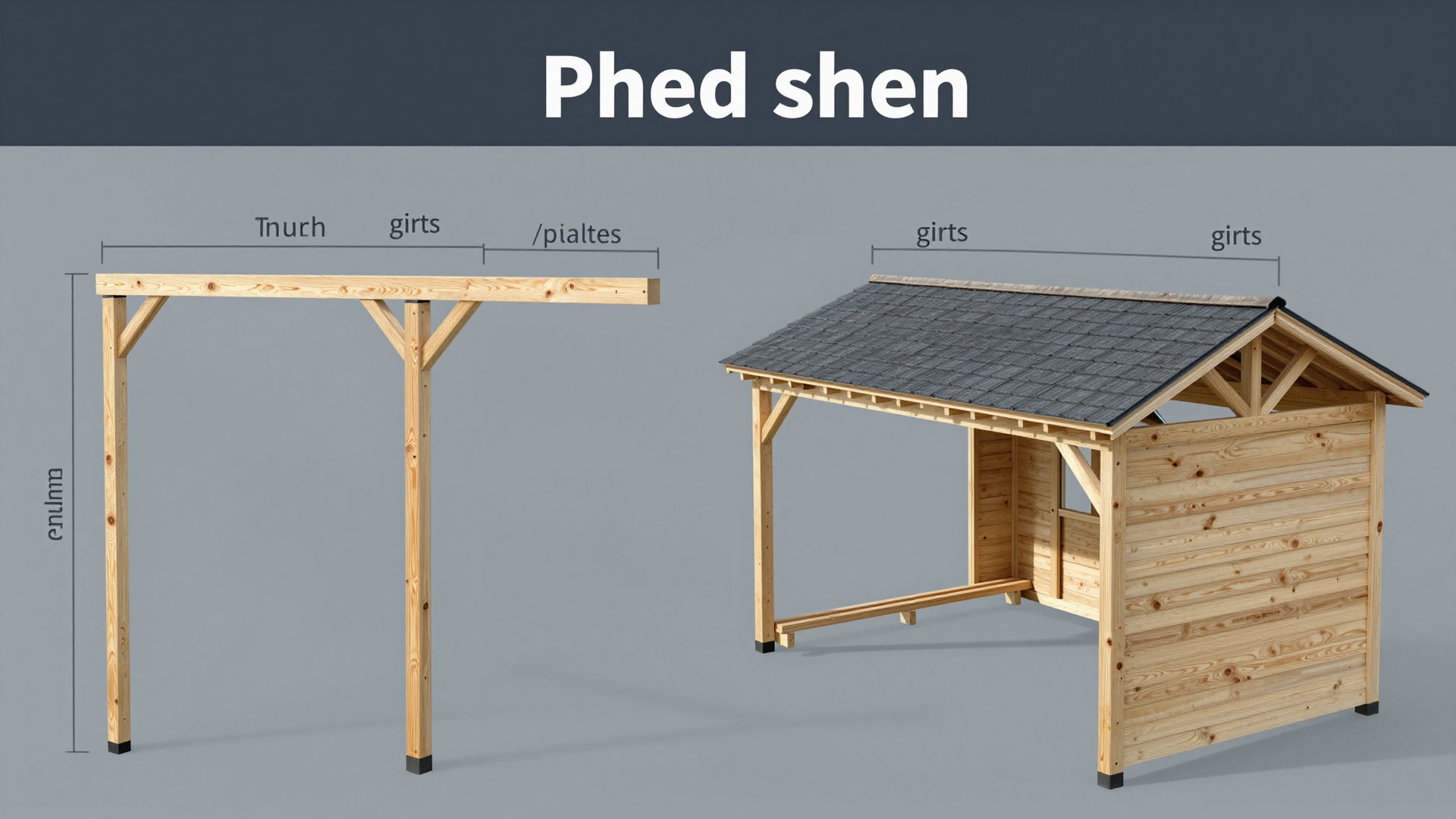
A pole shed plan serves as the architectural blueprint for a post-frame building. Essentially, it’s a detailed guide for constructing a structure where the primary vertical supports are large poles or posts. These posts are typically embedded directly into the ground. Alternatively, they might be set on concrete piers. This method provides a very strong and stable foundation.
What Makes a Pole Shed Plan Unique?
Unlike traditional “stick-built” structures, pole sheds do not rely on extensive continuous foundations. Furthermore, they eschew complex internal framing. Instead, a pole shed plan emphasizes a simpler, more efficient construction technique. This approach significantly reduces the need for extensive excavation. Consequently, less concrete is required, which can lead to considerable cost savings. Pole sheds are therefore a popular choice for a wide array of applications. For instance, they are commonly used for agricultural buildings, workshops, and even residential garages.
A comprehensive pole shed plan details every aspect of the building process. It includes precise dimensions and a clear layout. Moreover, it specifies all necessary materials. This encompasses the structural frame, roofing components, and siding options. Interior finishes are also covered in the plans. Understanding these components is the essential first step. It helps in successfully realizing your building project. For example, the plans will dictate the size and spacing of your posts. They will also specify the type of lumber for trusses and purlins. This level of detail ensures structural integrity and compliance with local building codes.
Key Elements of a Pole Shed Plan
A well-designed pole shed plan is more than just a drawing. It’s a complete roadmap for construction. Here’s what you can expect to find:
- Foundation Details: This section outlines how posts are anchored. It specifies whether they are buried directly or placed on concrete. For instance, some plans might recommend concrete collars for added stability.
- Framing Layout: This includes the placement and dimensions of all vertical posts. Additionally, it details horizontal girts and roof trusses. These elements form the skeleton of your structure.
- Material Specifications: The plan lists all required materials. This includes lumber types, fasteners, roofing materials, and siding. Therefore, you’ll know exactly what to purchase.
- Elevations and Sections: These drawings show the building from different angles. They also provide cross-sectional views. This helps visualize the structure’s height and internal layout.
- Roofing and Siding Details: Specific instructions for installing the roof and exterior walls are provided. Consequently, proper weatherproofing is ensured.
- Door and Window Schedules: This section specifies the type, size, and location of all openings. For example, it might detail a large roll-up door for vehicle access.
In summary, a pole shed plan streamlines the building process. It offers a cost-effective and structurally sound solution for various needs. Therefore, choosing the right plan is crucial for your project’s success.
Benefits of Choosing a Pole Shed Plan for Your Property
Choosing a pole shed plan offers numerous compelling advantages for property owners. These benefits extend from initial construction to long-term usability and value. Ultimately, a pole shed represents a smart investment for diverse needs.
Cost-Effectiveness and Speedy Construction
One of the most significant benefits is the inherent cost-effectiveness. Pole sheds typically require less extensive foundation work compared to conventional stick-built structures. For instance, instead of a full concrete slab, often only concrete piers are needed for the poles. This reduced material and labor for the foundation translates directly into lower overall project costs. Moreover, the simplified framing system, primarily relying on sturdy poles and trusses, further reduces material expenses. Consequently, you can achieve a substantial structure without breaking the bank.
In addition, the speed of construction is a major draw. Because the foundation is less complex and the framing involves fewer individual pieces, pole sheds can be erected much faster. For example, a medium-sized storage shed might be completed in a matter of days or weeks, as opposed to months for a traditional building. This quicker turnaround means you can start utilizing your new space sooner, whether it’s for storing equipment, housing livestock, or establishing a workshop. This efficiency is particularly valuable for projects with tight deadlines.
Durability, Flexibility, and Versatility
Pole sheds are renowned for their exceptional durability. Their post-frame construction, with poles deeply embedded in the ground, provides superior resistance to high winds and heavy snow loads. Therefore, they often perform better in severe weather conditions than some conventionally framed buildings. For instance, many agricultural pole barns have withstood decades of harsh winters and powerful storms, proving their structural integrity. This resilience ensures a long lifespan for your investment.
Furthermore, a pole shed plan offers incredible design flexibility due to its open interior space. Unlike traditional buildings with numerous load-bearing interior walls, pole sheds rely on their perimeter posts for support. This design allows for vast, unobstructed interiors. For example, you can easily reconfigure the internal layout of a workshop, add or remove partitions, or even expand the structure later without compromising its structural integrity. This adaptability makes them highly versatile for various uses, from simple storage to complex multi-purpose facilities.
Wide Range of Applications
The versatility of pole sheds is truly remarkable. They can serve a multitude of purposes on your property. Consider these examples:
- Agricultural Buildings: Ideal for hay storage, livestock shelters, or equipment sheds. Their open design allows for easy movement of machinery.
- Workshops and Garages: Perfect for hobbyists, mechanics, or small businesses needing ample workspace and vehicle storage. You can easily add insulation, wiring, and plumbing.
- Commercial Storage: Businesses can use pole sheds for warehousing inventory or storing vehicles, offering a cost-effective alternative to traditional commercial spaces.
- Residential Use (Barndominiums): Increasingly, pole shed plans are adapted into stylish and affordable homes, often referred to as barndominiums, showcasing their potential for unique living spaces.
This broad range of applications ensures that a pole shed plan can meet almost any functional requirement you have for an auxiliary structure on your property. As a result, you gain a highly adaptable asset that adds significant value.
Key Considerations Before Selecting a Pole Shed Plan
Before committing to a specific pole shed plan, careful planning is essential. Several critical factors demand your attention. Addressing these upfront ensures a smooth building process. It also guarantees your new structure meets your long-term needs.
Defining Your Pole Shed’s Purpose
First, clarify the primary function of your pole shed. What will it be used for? This fundamental question guides many subsequent decisions. For example, a simple storage shed for garden tools requires different specifications than a workshop. A structure housing livestock will need adequate ventilation and specific flooring. Similarly, a pole shed intended for vehicle storage, like an RV or boat, demands greater height and wider entry points. Consider if you need insulation for temperature control. Will you require plumbing or electrical wiring? Clearly defining the purpose helps tailor your pole shed plan to exact requirements. Therefore, avoid overspending on unnecessary features. Conversely, it prevents underbuilding for critical functions.
- Storage: Garden tools, seasonal decorations, lawnmowers.
- Workshop: Dedicated space for hobbies, woodworking, repairs.
- Animal Shelter: Barns for horses, chickens, or other livestock.
- Vehicle Storage: Cars, trucks, RVs, boats, ATVs.
- Multi-purpose: A combination of the above, perhaps with office space.
Navigating Local Regulations and Site Selection
Next, thoroughly investigate local zoning laws and building codes. This step is non-negotiable. Building permits are often required for structures of a certain size. You must check with your local municipality. Moreover, understand setback requirements. These dictate how far your pole shed must be from property lines. Ignorance of these rules can lead to costly delays or forced modifications.
Site Analysis and Budgeting
Furthermore, conduct a comprehensive site analysis. Assess the topography of your chosen location. Is the ground level? Consider drainage patterns; you want to avoid water pooling around the foundation. Soil conditions are also crucial. Poor soil may necessitate more extensive foundation work. Accessibility for construction vehicles and material delivery is another practical consideration.
Finally, establish a realistic budget. This includes not just the pole shed plan itself, but also materials, labor, permits, and site preparation. Material choices, such as steel siding versus wood, significantly impact cost. Therefore, a clear budget helps manage expectations. It also ensures you select a pole shed plan that is financially feasible.
Types of Pole Shed Plans: From Simple Storage to Multi-Purpose Barns
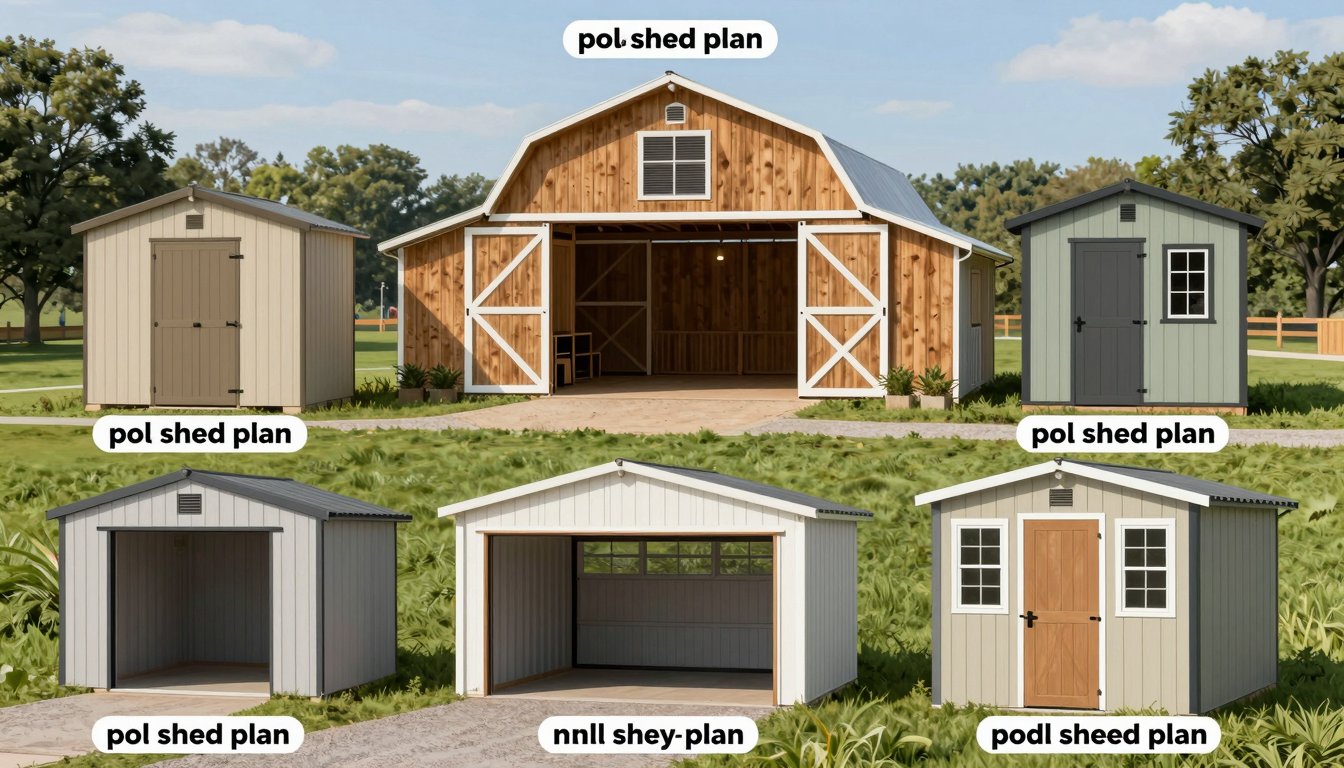
The adaptability of a pole shed plan makes it a highly sought-after solution for a myriad of needs. From basic storage to intricate living spaces, this construction method offers remarkable versatility. Understanding the different types available is crucial for selecting the ideal structure for your property.
Common Pole Shed Plan Variations
Different pole shed plans are tailored to specific functions, ensuring optimal utility and design. For instance, a simple storage pole shed plan prioritizes ease of construction and cost-effectiveness.
- Simple Storage Sheds: These are perhaps the most common type. They provide straightforward space for garden tools, lawnmowers, seasonal decorations, or other household items. Typically, they feature a basic rectangular footprint and often an open interior. Therefore, they are an excellent choice for homeowners needing extra clutter-free space.
- Agricultural Pole Barns: Designed for farms and rural properties, these structures accommodate livestock, hay storage, or large farm equipment. Consequently, they are often much larger than typical sheds. They often include specialized features like ventilation systems, robust foundations, and wide entryways for machinery.
- Garage Pole Shed Plans: Vehicle owners will appreciate these designs. They offer generous space for cars, boats, RVs, or ATVs. Moreover, they frequently incorporate reinforced concrete floors to support heavy vehicles and overhead doors for easy access. Some designs even include multiple bays or workshops.
Specialized Pole Shed Plans and Their Uses
Beyond basic storage, pole shed plans extend to more specialized and complex applications. This broadens their appeal significantly.
- Workshop Pole Sheds: These structures are perfect for dedicated hobbyists or professionals. They often include features like insulation, robust electrical wiring, and sometimes even plumbing. As a result, they create a comfortable and functional environment for various projects, from woodworking to auto repair.
- Residential Pole Shed Plans: Increasingly, people are using pole barn construction for livable spaces. These can range from charming cabins and guest houses to full-fledged primary residences. In addition, they often boast aesthetic finishes, multiple rooms, and all the amenities found in traditional homes. This highlights the incredible adaptability of the pole shed plan.
- Multi-Purpose Barns: These designs combine elements from several types, offering extreme flexibility. For example, a single structure might include a garage section, a workshop, and a storage area. This integrated approach maximizes land use and provides diverse functionality under one roof. Consequently, they are ideal for properties with varied needs.
Each type of pole shed plan caters to specific functional requirements, ensuring that there’s a suitable design for nearly every objective. Therefore, careful consideration of your primary use will guide you to the perfect pole shed plan.
Understanding Pole Barn Construction Documents
Understanding the intricate details within your pole shed plan construction documents is paramount for a successful build. These aren’t just arbitrary papers; moreover, they are the blueprint for your entire project. They ensure compliance, guide construction, and prevent costly errors. Therefore, familiarizing yourself with each component is a crucial first step, whether you’re a DIY enthusiast or coordinating with contractors.
Core Components of Pole Shed Construction Documents
Your comprehensive pole shed plan package will typically include several distinct types of documents. Each serves a specific purpose, offering critical information about design, structure, and materials.
- Architectural Drawings: These provide a visual representation of your finished structure.
- Floor Plans: These show the layout from an overhead view. In addition, they detail dimensions, room divisions (if any), door and window placements, and any interior features. For example, a 24×36 pole shed plan might show a dedicated workshop area alongside vehicle storage.
- Elevations: These are exterior views from each side (front, rear, left, right). Consequently, they illustrate the building’s height, roof pitch, siding materials, and aesthetic details.
- Sections: These are “cut-through” views of the building. Furthermore, they reveal construction methods, ceiling heights, and how different components connect.
- Foundation Plans: These detail the post layout and foundation system. For instance, they specify post depths, concrete Footings, and any slab requirements.
- Structural Engineering Drawings: These are vital for the building’s integrity. They ensure your pole shed plan can withstand local loads, such as snow and wind.
- Post and Truss Details: These specify the size, spacing, and connection methods for your main support posts and roof trusses. Therefore, they are critical for structural stability.
- Bracing Diagrams: These illustrate the necessary bracing elements. For example, they show diagonal bracing in walls and roofs to prevent racking.
- Load Calculations: Often included or referenced, these confirm that the design meets local building codes for snow, wind, and seismic forces.
Material Specifications and Permitting Essentials
Beyond the drawings, your pole shed plan documents will contain crucial textual information. This data directly impacts procurement and regulatory approval.
- Bill of Materials (BOM): This comprehensive list details every single component needed. It includes lumber dimensions, fastener types, roofing materials, siding, doors, and windows. As a result, it simplifies ordering and helps manage your budget effectively. For example, it might specify “2×6 treated lumber for skirt board” or “3-tab asphalt shingles, 25-year warranty.”
- Specifications: These provide written descriptions of materials, installation methods, and quality standards. Moreover, they complement the drawings by offering additional clarity.
- Permit Submittal Information: Many pole shed plan packages include information specifically for obtaining permits. This might involve energy efficiency details or specific code compliance statements. Always ensure your documents are complete and approved by local authorities before starting any work. In fact, skipping this step can lead to significant fines or forced demolition.
Tip: Before purchasing any materials, cross-reference your Bill of Materials with your local suppliers. This ensures availability and helps you compare prices effectively.
Step-by-Step Guide to Building with a Pole Shed Plan
Building a pole shed, while often more straightforward than traditional construction, still demands meticulous planning and execution. Following a well-designed pole shed plan is paramount. This step-by-step guide walks you through the essential phases, ensuring a smooth and successful build.
Phase 1: Site Preparation and Foundation Laying
The journey begins with proper site preparation. First, clear the land of any debris, vegetation, or obstacles. Therefore, a clean slate is crucial for accurate layout. Next, ensure adequate drainage around the building site. This prevents water accumulation, a common cause of structural issues. For example, consider grading the ground slightly away from the shed’s footprint. Then, accurately mark out the building’s perimeter and the precise locations for each pole, adhering strictly to your pole shed plan. Use stakes and string lines for precision.
Once the layout is confirmed, excavate the post holes. The depth and diameter of these holes are critical. They depend on your local frost line and soil conditions. Consequently, always consult your plan and local building codes. You can set the posts directly into the ground with concrete backfill. Alternatively, you might use concrete piers for enhanced stability. Ensure each post is perfectly plumb and level before backfilling. This foundational step dictates the overall integrity of your structure.
Phase 2: Framing, Roofing, and Enclosure
With the posts securely in place, the next step involves installing the horizontal framing members, known as girts. These connect the vertical poles and form the walls. Moreover, they provide attachment points for siding. Simultaneously, install the roof purlins. These are horizontal members that support the roof decking or sheeting. Their spacing is crucial for roof strength. After the girts and purlins are in position, lift and secure the roof trusses. This often requires multiple people or specialized equipment for larger sheds. Carefully follow the truss placement indicated in your pole shed plan.
Once the trusses are set, install the roofing materials. This could range from metal panels to shingles. Proper overlap and sealing are vital to prevent leaks. Subsequently, apply the siding to the girts. Common options include metal, wood, or vinyl. Ensure all fasteners are appropriate for the chosen material and weather conditions. Finally, cut openings for doors and windows. Install these components according to their specifications. This completes the basic enclosure of your pole shed. Consider adding interior finishes like insulation or shelving at this stage, depending on your shed’s intended use. Adhering to safety guidelines throughout this process is non-negotiable. Always wear appropriate personal protective equipment.
Designing Your Custom Pole Shed Plan: Tips and Tools
Designing your own custom pole shed plan allows for ultimate personalization. It ensures the finished structure perfectly matches your specific needs and aesthetic vision. This process involves more than just picking a size; it’s about crafting a functional and visually appealing space.
Initial Design Principles for Your Custom Pole Shed Plan
Start by envisioning how you’ll use the shed. For example, will it store vehicles, act as a workshop, or house livestock? This primary function will dictate the overall footprint and internal layout. Consider future expansion as well; a well-designed pole shed plan can easily accommodate additions later. Think about the flow of traffic, both human and vehicular. Where will doors and windows be most practical? For instance, a workshop might benefit from large windows for natural light, while a storage shed might prioritize larger access doors. Don’t forget about essential features like overhangs for weather protection or a porch for added curb appeal. A cupola, for example, can add a touch of classic barn aesthetic and improve ventilation.
- Functionality First: Determine the primary purpose of your pole shed plan.
- Future-Proofing: Plan for potential expansion or changes in use.
- Traffic Flow: Optimize door and window placement for efficiency.
- Aesthetic Appeal: Incorporate architectural details like overhangs or cupolas.
Leveraging Digital Tools for Your Pole Shed Plan
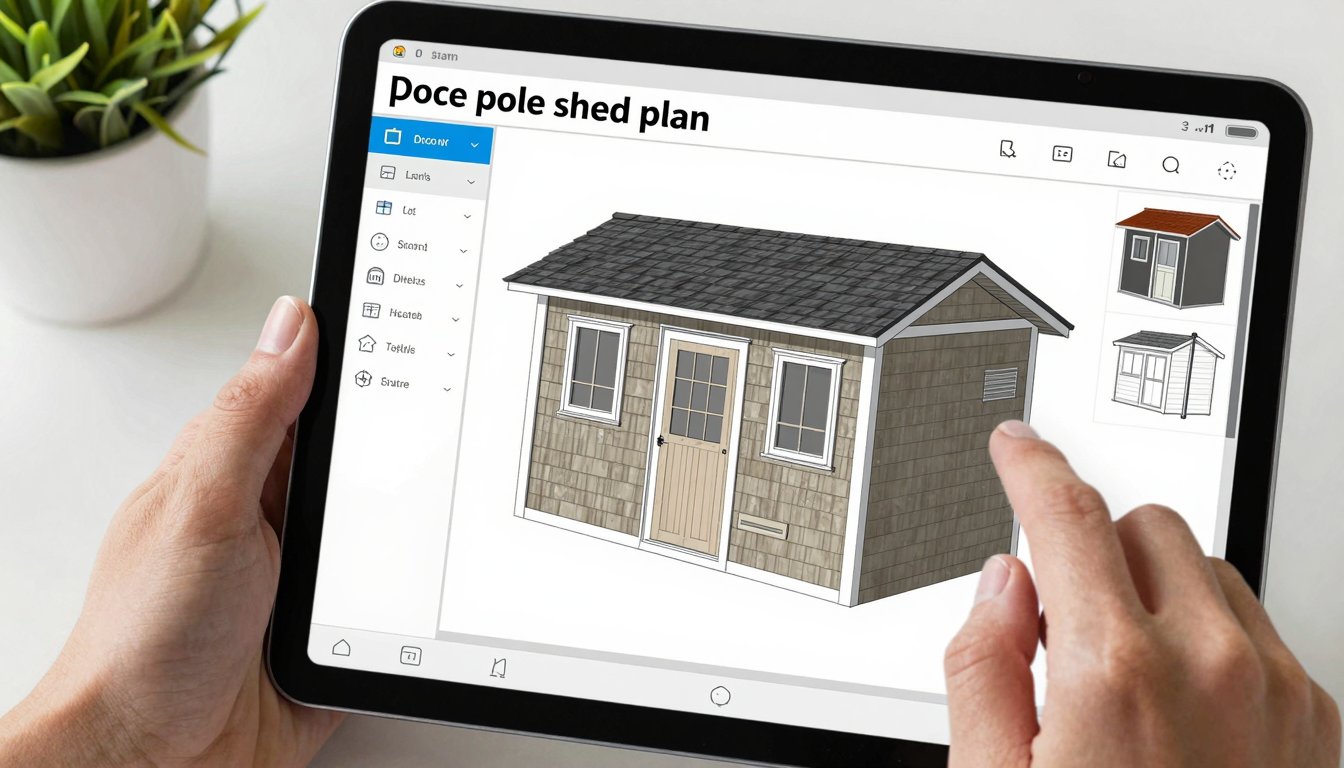
Modern technology offers powerful tools for designing your custom pole shed plan. Online 3D visualization software, for instance, allows you to experiment with different dimensions, roof styles, and material choices. This provides a realistic preview of your project before any construction begins. Many pole barn manufacturers offer proprietary design software that integrates their specific products. Consequently, you can see how different siding, roofing, and trim options will look. These tools often generate preliminary material lists, which are incredibly helpful for budgeting. As a result, you can make informed decisions and avoid costly changes down the line. Remember to factor in natural light and ventilation during this stage. Proper airflow is crucial for comfort and preventing moisture issues.
Collaborating with an architect or an experienced designer can also provide invaluable insights. They can help translate your ideas into a structurally sound and aesthetically pleasing pole shed plan. Moreover, they ensure compliance with local building codes and regulations, which can be complex. This professional guidance can save time, money, and potential headaches in the long run. Therefore, consider this option, especially for larger or more complex projects.
Cost Analysis: What to Expect When Building from a Pole Shed Plan
Building a pole shed is a significant investment. Therefore, understanding the financial landscape is crucial. A well-executed cost analysis will prevent unexpected expenses. This section breaks down the typical costs associated with building from a pole shed plan. We will explore various factors that influence the final price.
Dissecting the Core Cost Components
The overall cost of your pole shed plan hinges on several key elements. First, site preparation is often overlooked. This includes clearing, grading, and ensuring proper drainage. Neglecting this step can lead to costly foundation issues later. Second, the foundation itself involves posts, concrete, and possibly gravel. The depth and diameter of your posts will depend on your local frost line and soil conditions. This directly impacts material usage.
Third, framing materials form the skeleton of your structure. This includes girts, purlins, and trusses. The type of wood and its grade will affect both strength and price. For example, treated lumber costs more but offers superior rot resistance. Fourth, roofing and siding materials vary widely in price and durability. Metal roofing, while initially more expensive, often boasts a longer lifespan. Similarly, steel siding is durable but pricier than wood.
Fifth, doors and windows are essential for functionality and aesthetics. Custom sizes or specialized features like insulated windows will increase costs. In addition, insulation is vital for climate control and energy efficiency. The R-value you choose directly correlates with material expense. Finally, interior finishes, such as shelving, partitions, or a concrete slab floor, add to the total. These choices significantly impact the usability and comfort of your pole shed.
Factors Influencing Your Pole Shed Budget
Several variables can dramatically alter the cost of your pole shed plan. The size and complexity of your design are paramount. A larger footprint naturally requires more materials. Moreover, a multi-story design or complex rooflines will incur higher labor and material costs. Consequently, simpler designs are generally more budget-friendly.
Location also plays a significant role. Material prices and labor rates vary by region. For instance, remote areas might have higher transportation costs for materials. Furthermore, local building codes can dictate specific material requirements, potentially increasing expenses. For example, hurricane-prone regions might require stronger fasteners or reinforced framing.
Choosing between a DIY approach and hiring contractors is another major factor. DIY can save on labor costs. However, it requires significant time, skill, and access to proper tools. Conversely, hiring professionals ensures quality and efficiency. This comes at a higher price point. It’s often advisable to get multiple quotes for both materials and labor. This helps you compare options effectively.
Consider future utility needs as well. Adding electrical wiring or plumbing later can be more expensive than incorporating them during initial construction. Therefore, plan for these needs from the outset. For example, if you foresee needing a workshop, pre-installing electrical conduits is a smart move.
Smart Saving Strategies and Cost Estimation Tools
There are several ways to manage your pole shed plan budget effectively. First, consider purchasing materials in bulk. This often leads to discounts from suppliers. Second, look for sales or clearance items on non-critical components. Third, prioritize essential features over luxuries if budget is tight. You can always add upgrades later.
Fourth, salvage materials, if appropriate, can reduce costs. For instance, reclaimed lumber might be suitable for certain interior elements. However, ensure salvaged materials meet structural requirements. Fifth, doing some of the simpler tasks yourself, like painting or basic landscaping, can save on labor.
An interactive cost estimator tool can be an invaluable asset. Many online resources offer such tools. These allow you to input your specific choices. You can enter details like size, material types, and desired features. The tool then provides an estimated total for your pole shed plan. This helps in creating a realistic budget. It also allows you to compare different scenarios. Therefore, you can adjust your specifications to fit your financial goals. Always remember that these are estimates. Getting detailed, written quotes from suppliers and contractors is crucial for final budgeting.
Finding the Right Pole Shed Plan for Your Needs
Finding the ideal pole shed plan is crucial for a successful project. It directly impacts your build’s efficiency and final outcome. Therefore, a systematic approach is essential.
Assessing Your Specific Needs
Before diving into plans, clearly define your requirements. First, consider the primary function of your pole shed. Will it be for basic storage, a workshop, or perhaps an animal shelter? For instance, a workshop might require higher ceilings and more windows. In contrast, an animal shelter needs specific ventilation and durable flooring. Next, determine the necessary size. Measure the equipment you plan to store. For example, if you have a tractor, ensure the door opening is wide enough. Moreover, think about future expansion. A slightly larger pole shed plan now could save you significant hassle later. Finally, establish your budget. This will narrow down your options considerably. Furthermore, factor in potential material costs and labor.
Where to Look for Pole Shed Plans
Several excellent resources are available for finding a suitable pole shed plan.
- Online Plan Repositories: Websites specializing in building plans offer a vast selection. These often allow filtering by size, style, and purpose. For instance, you can search for a Learn more with a gambrel roof.
- Specialized Architectural Firms: For unique or complex needs, consider hiring an architect. They can design a custom pole shed plan tailored precisely to your specifications. This is particularly useful for commercial applications or challenging sites.
- Building Kit Manufacturers: Many companies sell complete pole barn kits that include plans. These kits often simplify the construction process. They provide all necessary materials and detailed instructions.
- Local Lumber Yards and Building Supply Stores: Sometimes, these establishments offer standard pole shed plans or can connect you with local designers. They often have knowledge of regional building code requirements.
Key Evaluation Criteria for Pole Shed Plans
Once you have a few potential pole shed plans, evaluate them carefully.
- Level of Detail: A good plan should be comprehensive. It should include foundation details, framing layouts, roofing specifications, and material lists. Look for clear dimensions and annotations.
- Compliance with Local Building Codes: This is paramount. Always verify that your chosen pole shed plan meets all local zoning and building regulations. Non-compliance can lead to costly delays or reconstruction. Many plan providers offer engineered plans for specific regions.
- User Reviews and Testimonials: Check what other builders say about a particular plan. Positive feedback often indicates a well-designed and easy-to-follow plan. Conversely, recurring complaints might signal potential issues.
- Provider Support: Can you contact the plan provider with questions? Good customer support is invaluable, especially if you encounter unexpected challenges during construction.
Choosing the right pole shed plan is an investment in your project’s success. It ensures a smooth building process and a durable, functional structure that meets your long-term needs. Therefore, take your time and choose wisely.
Maintenance and Longevity of Your Pole Shed Plan Structure
Maintaining your pole shed is crucial. It ensures its longevity and protects your investment. Regular inspections are key. They help catch small issues before they become major problems. A well-maintained pole shed can last for decades. This section details essential maintenance practices.
Essential Structural Inspections
The foundation of your pole shed is its posts. Therefore, inspect them regularly. Look for signs of rot, especially at ground level. Moisture is the enemy of wood. Check for insect damage too, such as termite trails or carpenter ant activity. Early detection can save significant repair costs. For example, a small area of rot can be treated. However, extensive rot might require post replacement. Ensure the ground around posts is clear. This prevents moisture buildup and improves airflow.
- Post Integrity: Examine the base of all posts. Look for softness, discoloration, or crumbling.
- Drainage: Confirm water drains away from the shed. Standing water will accelerate wood decay. Consider adding gravel or improving grading.
- Insect Activity: Search for sawdust trails, tunnels, or live insects. Address any infestations immediately. Professional pest control might be necessary.
Next, focus on the roof. The roof protects the entire structure. Loose or damaged panels can lead to leaks. Leaks cause water damage inside the shed. This can affect stored items and the structural integrity of the frame. Check all fasteners. Tighten any that are loose. Clean gutters regularly. Blocked gutters can cause water to overflow. This often leads to fascia and soffit damage.
Protecting Exterior Surfaces
Siding and trim are exposed to the elements daily. They require periodic attention. Cleaning removes dirt, mold, and mildew. This not only improves appearance but also prevents degradation. Depending on the material, painting or sealing might be necessary. For instance, wood siding benefits from regular staining or painting. This protects it from UV rays and moisture. Metal siding, conversely, might only need occasional cleaning. Check for cracks or gaps in the siding. Seal them to prevent water intrusion.
- Siding: Clean annually with a mild detergent. Repaint or reseal as needed.
- Trim: Inspect for peeling paint or rot. Repair or replace damaged sections promptly.
- Sealing: Caulk around windows and doors. This prevents drafts and water leaks.
Finally, don’t overlook doors and windows. They are points of entry for weather and pests. Lubricate hinges and latches for smooth operation. Check window panes for cracks. Replace any broken glass. Ensure seals are intact. This helps maintain the shed’s internal environment. A comprehensive pole shed plan includes these maintenance considerations. This proactive approach ensures your structure remains sound for years to come.
Proper maintenance is an investment in your pole shed’s future. It extends its lifespan and preserves its functionality. For more detailed guides and to start planning your durable structure, Get started.
Choosing and building from a pole shed plan is an excellent investment for adding functional and versatile space to your property. From understanding the fundamental components to navigating the intricacies of pole barn construction documents, this guide has aimed to provide you with a comprehensive overview. By carefully considering your needs, exploring the diverse types of plans available, and adhering to a structured building process, you can achieve a durable, cost-effective, and aesthetically pleasing structure. Remember, thorough planning, attention to detail, and regular maintenance are key to ensuring your pole shed serves its purpose effectively for many years to come. We hope this guide empowers you to confidently embark on your pole shed project, transforming your vision into a tangible asset.