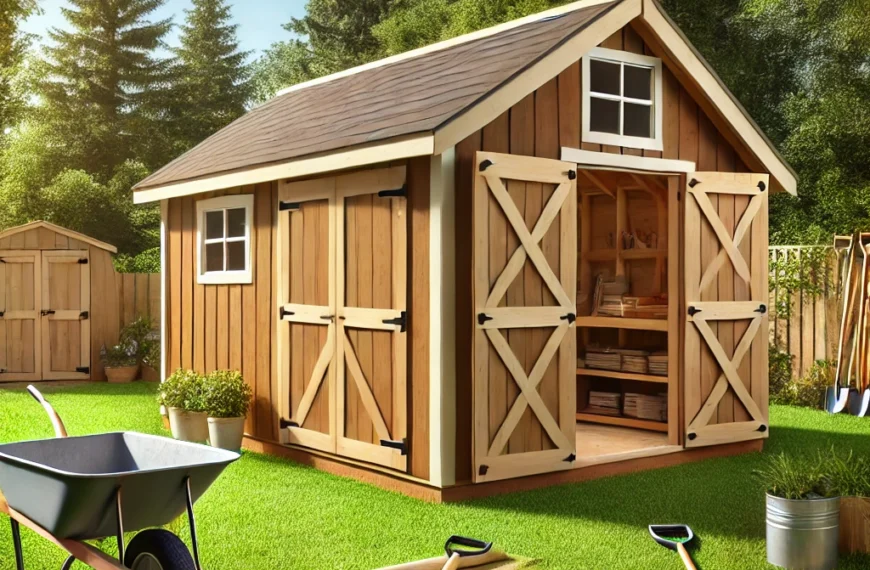

Welcome to our comprehensive guide about storage shed building plans.
Introduction to Storage Shed Building Plans
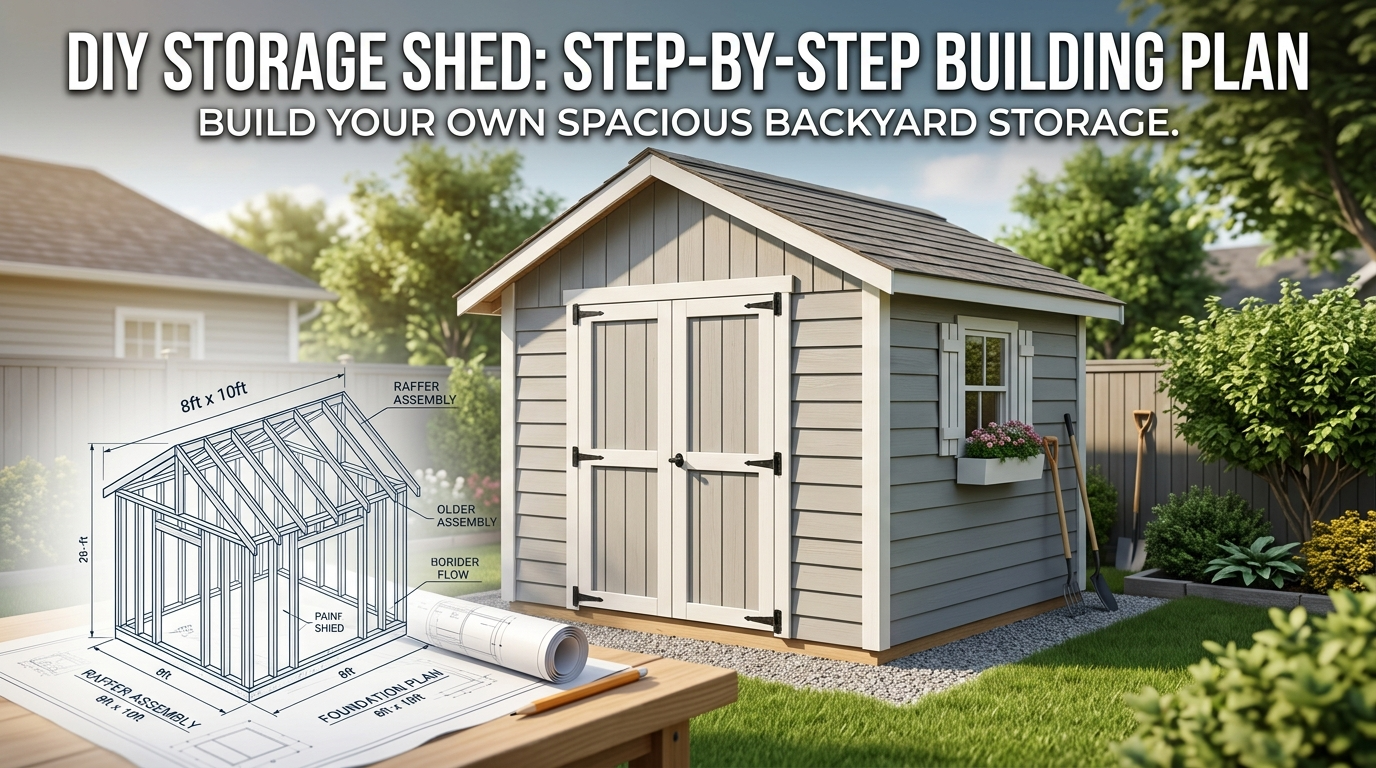
Are you tired of clutter overflowing your garage or backyard? Do you dream of an organized space for tools, gardening supplies, or seasonal decorations? Building your own storage shed offers a practical and rewarding solution. This guide explores compelling reasons to embark on a DIY shed project. Moreover, we’ll outline essential considerations before you even pick up a hammer.
The Appeal of DIY Storage Sheds
Building a shed yourself provides numerous benefits. Firstly, it allows for complete customization. You can design the shed to perfectly fit your specific needs and aesthetic preferences. For instance, if you have an extensive garden, you might opt for a tall shed with ample vertical storage for long-handled tools. Secondly, a DIY project often translates to significant cost savings compared to purchasing a pre-built shed. You save on labor costs and can often source materials more economically. Furthermore, the satisfaction of constructing something with your own hands is immense. It’s a tangible accomplishment that enhances your property’s functionality and value. However, it requires careful planning and execution.
Key Considerations Before You Begin
Before diving into a specific storage shed building plan, several crucial factors demand your attention. Firstly, assess your available space. Measure the proposed location accurately. This ensures your chosen shed size fits comfortably and complies with local setbacks. Secondly, consider your storage needs. What items will you store? This dictates the required shed dimensions, door type, and internal shelving. For example, if you’re storing a riding lawnmower, you’ll need wider doors and a reinforced floor. Thirdly, research local building codes and permits. Many municipalities have regulations regarding shed size, placement, and foundation requirements. Ignoring these can lead to costly fines or even demolition. Therefore, always check with your local planning department beforehand.
Understanding Storage Shed Plans
A good storage shed building plan is your blueprint for success. These plans typically include detailed diagrams, material lists, and step-by-step instructions. There are various types available, catering to different skill levels and shed designs. For instance, basic lean-to plans are excellent for beginners, while gambrel-roofed sheds offer more complex challenges and greater overhead storage. Moreover, plans often specify the type of foundation, framing, roofing, and siding materials. Understanding these components is vital for making informed decisions. Consequently, choosing the right plan is paramount. It ensures structural integrity and a smooth construction process. In addition, a comprehensive plan helps you budget accurately and avoid unexpected expenses.
Choosing the Right Storage Shed Building Plan
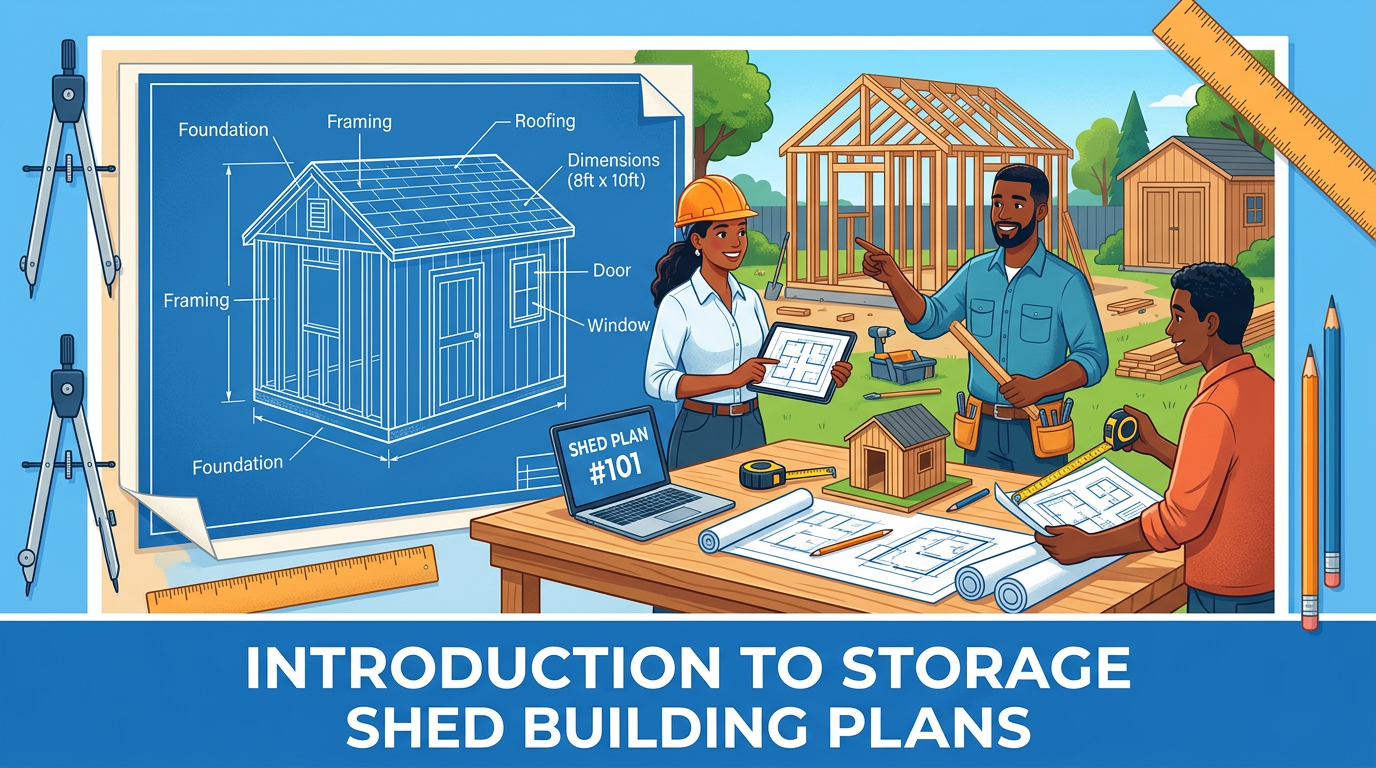
Choosing the right storage shed building plan is the cornerstone of a successful project. It’s not merely about finding a pretty design; it’s about aligning the plan with your specific needs and capabilities. Therefore, a thoughtful assessment is crucial before you even pick up a hammer.
Assessing Your Needs: Size, Style, and Purpose
First, consider the primary purpose of your shed. Will it be for simple garden tool storage, or do you envision a dedicated workshop? For example, a small 6×8 shed might suffice for lawnmowers and rakes. However, a 10×12 or even 12×16 shed offers ample space for a workbench, power tools, and lumber. Think about the items you need to store now and anticipate future needs. Moreover, consider the aesthetic. Do you want a traditional gable roof, a practical lean-to, or a modern gambrel design? The style should ideally complement your existing home and landscape. Consequently, visualizing the shed in its intended location can help narrow down your choices.
Matching Your Skill Level and Local Regulations
Your building experience plays a significant role in selecting a shed plan. For instance, if you’re a beginner, look for plans labeled “easy” or “beginner-friendly.” These often feature simpler framing techniques and fewer complex cuts. Conversely, experienced DIYers might tackle more intricate designs with advanced joinery. Furthermore, always investigate local building codes and permit requirements *before* committing to a plan. Many municipalities have restrictions on shed size, height, and proximity to property lines. For example, some areas require sheds over 100 square feet to have a permit, while others impose stricter rules. Ignoring these can lead to costly delays or even demolition. Therefore, a quick call to your local planning department can save you a lot of headaches later on.
What to Look for in a Quality Shed Plan
When embarking on a shed building project, selecting a high-quality storage shed building plan is paramount. A good plan acts as your comprehensive guide. It transforms a complex construction task into a manageable series of steps. Therefore, knowing what to prioritize in a plan saves time, reduces frustration, and ensures a sturdy, functional shed.
Key Elements of a Superior Shed Plan
Look for several critical components in any shed plan. First, detailed, step-by-step instructions are essential. These instructions should break down each construction phase. For instance, they should guide you from laying the foundation to framing walls and installing the roof. Moreover, a quality plan provides clear directions for every cut and connection. This clarity minimizes guesswork, which is crucial for beginners. Secondly, a comprehensive materials list is indispensable. This list itemizes every piece of lumber, fastener, and roofing material you’ll need. It specifies quantities, dimensions, and types. Consequently, you can accurately budget and purchase supplies. This prevents costly last-minute trips to the hardware store.
Furthermore, clear diagrams and blueprints are non-negotiable. Visual aids translate written instructions into easily understandable images. They show precise measurements, angles, and assembly sequences. For example, detailed cross-sections can illustrate how wall studs connect to top plates. High-resolution drawings make it easier to visualize the finished product. They also help in identifying potential issues before construction begins. In addition, the plan should outline the tool requirements. This list can range from basic hand tools to specialized power tools. Knowing this beforehand helps you gather or rent necessary equipment. It also prevents delays during construction.
Customization and Support
Finally, consider plans that offer options for customization and expansion. While a basic shed plan is a great start, the ability to personalize is a bonus. Some plans include variations for window placement, door styles, or even different siding materials. This flexibility allows you to tailor the shed to your specific needs and aesthetic preferences. For example, you might want to add a workbench or extra shelving. A good plan might offer suggestions or even supplementary diagrams for these additions. As a result, your shed will be truly unique. Always prioritize plans that leave little to interpretation. They empower you to build with confidence.
Accessing Free Storage Shed Building Plans
Finding reliable, free storage shed building plan resources can significantly reduce your project’s initial cost. Many excellent options exist, offering detailed instructions and material lists. However, it’s crucial to know where to look and what to expect.
Where to Find Dependable Free Shed Plans
Several online platforms specialize in providing free shed designs. For instance, reputable DIY websites and large hardware store chains often publish free plans as a service to their customers. These plans frequently come with comprehensive material lists and step-by-step instructions. For example, some sites offer free 12×24 shed plans with a material list, ideal for larger projects. Similarly, you might find free 12×20 shed plans in PDF format, perfect for printing and on-site reference. Always prioritize sources known for their clear, accurate, and safe building guidelines.
Exploring Free Plans with Material Lists
A good free storage shed building plan will include a detailed material list. This list is invaluable for budgeting and purchasing. Look for plans that specify:
- Lumber dimensions and quantities: For example, 2x4s, 2x6s, plywood.
- Hardware: Such as screws, nails, hinges, and latches.
- Roofing materials: Shingles or metal panels.
- Foundation components: Concrete blocks or pressure-treated skids.
Moreover, some plans even provide cut lists, which can further simplify the building process. Therefore, thoroughly review all components before committing to a plan.
Distinguishing Free from Premium Plans
While free plans are a fantastic starting point, it’s essential to understand their limitations compared to premium options. Free plans typically offer basic designs and construction methods. They are often suitable for straightforward, standard-sized sheds. For instance, a free 10×12 shed plan usually covers fundamental framing and roofing.
Premium plans, however, often provide:
- More complex designs: Including multi-level sheds or custom architectural features.
- Advanced construction techniques: Such as hurricane-resistant framing or specialized insulation.
- Dedicated customer support: For questions during construction.
- CAD files or 3D renderings: Offering a more visual and interactive experience.
Consequently, if your project requires unique specifications or advanced features, investing in a premium plan might be worthwhile. Nevertheless, for many DIY enthusiasts, a well-chosen free shed plan offers excellent value and a rewarding building experience. Remember to always double-check local building codes regardless of the plan type.
Essential Steps for Building Your Storage Shed
Building your own storage shed is a rewarding project. Careful planning ensures a sturdy and long-lasting structure. Following these essential steps will guide you through the process.
Site Preparation and Foundation
First, choose a level site for your shed. Proper site preparation is crucial. Clear the area of debris, rocks, and vegetation. Next, establish a stable foundation. A concrete slab provides excellent durability. Alternatively, consider a gravel foundation with concrete blocks. For instance, a 4-inch deep gravel base topped with concrete blocks offers good drainage. Moreover, ensure the foundation is perfectly level. This prevents structural issues later on. A solid foundation is vital for any storage shed building plan.
Framing the Structure
With the foundation complete, begin framing the walls. This involves cutting and assembling wooden studs. Use treated lumber for the bottom plates to resist moisture. Furthermore, ensure all framing is plumb and square. This guarantees a stable and straight shed. For example, use a speed square and level frequently. Construct each wall section on the ground. Then, lift them into place and secure them. In addition, brace the walls temporarily until the roof is framed.
Roofing and Exterior Features
Next, focus on the roof. Common roof styles include gable and lean-to. Gable roofs offer more headroom. Lean-to roofs are simpler to build. Install rafters according to your storage shed building plan. Then, attach plywood sheathing. Cover the sheathing with tar paper for waterproofing. Finally, add shingles or metal roofing. This protects your shed from the elements.
Doors, Windows, and Finishing Touches
Now, install your chosen doors and windows. Pre-hung doors simplify installation. For windows, ensure they are properly sealed. Good ventilation is also important. Consider adding vents near the roofline. This prevents moisture buildup. Lastly, apply exterior paint or siding. This weatherproofs the shed and improves its appearance. Consequently, your shed will be ready for use.
Budgeting for Your Shed Project
Budgeting is a critical first step for any shed construction, ensuring your project remains financially viable. Understanding potential costs upfront prevents unwelcome surprises. For example, a small 6×8 foot utility shed might cost anywhere from $500 to $1,500 for materials, while a larger 10×12 foot gambrel-style shed could easily range from $2,000 to $5,000 or more. These figures primarily reflect material costs, assuming you’re building it yourself. The complexity of your chosen storage shed building plan significantly impacts this range. More intricate designs with specialized features, such as windows, double doors, or a concrete slab foundation, will naturally incur higher expenses.
Smart Savings and Material Choices
Leveraging free shed plans with materials lists is an excellent way to reduce initial overhead. These plans often specify standard lumber sizes, making procurement straightforward and potentially cheaper. However, material selection has major cost implications. Pressure-treated lumber, while more expensive initially, offers superior resistance to rot and insects, extending your shed’s lifespan and reducing future maintenance costs. Conversely, untreated lumber is cheaper but requires more frequent sealing and painting. For roofing, asphalt shingles are generally more economical than metal roofing, though metal offers greater durability and longevity. Moreover, consider repurposing materials where appropriate; for instance, salvaged windows or doors can add character and save money, provided they are in good condition.
Anticipating Hidden Costs
Even with a detailed storage shed building plan, certain hidden costs can emerge. Permit fees, for example, are often overlooked but can range from $50 to several hundred dollars depending on your local regulations and shed size. Foundation preparation is another area where costs can escalate. A simple gravel base is affordable, however, a reinforced concrete slab, while more durable, requires significant material and labor investment. Furthermore, don’t forget delivery charges for lumber and other heavy materials, which can add a substantial amount to your budget. Tools you don’t already own, like a circular saw or a power drill, represent an initial investment. Therefore, always allocate a contingency fund – typically 10-15% of your estimated budget – to cover these unexpected expenses. This proactive approach ensures your shed project stays on track financially.
Tools You’ll Need for Shed Construction
Building a storage shed, even with a free shed plan, requires the right tools. Having the correct equipment not only makes the job easier but also safer and more efficient. Therefore, investing in or borrowing these tools is a crucial first step.
Essential Hand Tools for Shed Building
Even with power tools, basic hand tools remain indispensable for precision work and tasks where electricity isn’t available. A claw hammer is fundamental for driving and removing nails. Moreover, a tape measure (at least 25 feet) is critical for accurate cuts and placements; remember, “measure twice, cut once.” For marking precise lines, a carpenter’s pencil and a chalk line are invaluable. Furthermore, a utility knife is excellent for scoring materials or opening packaging. You will also need various screwdrivers (Phillips and flathead) or a multi-bit screwdriver for fasteners. Finally, don’t forget a level (2-foot and 4-foot are ideal) to ensure everything is perfectly plumb and square, a common requirement for any good storage shed building plan.
Power Tools for Efficiency
Power tools significantly speed up the construction process and improve the quality of your work. A circular saw is perhaps the most important power tool, essential for cutting lumber to size quickly and accurately. For more intricate cuts or curves, a jigsaw comes in handy. A cordless drill/driver is another must-have; it makes drilling pilot holes and driving screws far less strenuous. Impact drivers are even better for driving long screws into tough materials. Consider a miter saw for precise angle cuts on trim or framing, although a circular saw can often suffice with practice. Therefore, choosing the right power tools can save you considerable time and effort.
Safety Equipment Essentials
Safety should always be your top priority when undertaking any construction project. Safety glasses are non-negotiable to protect your eyes from flying debris. Wearing work gloves will prevent splinters, cuts, and blisters. Furthermore, ear protection (earplugs or earmuffs) is crucial when operating loud power tools like circular saws. A dust mask or respirator is also important, especially when cutting wood, to avoid inhaling sawdust. Finally, sturdy work boots with good traction can prevent slips and protect your feet from dropped tools or materials. As a result, always have your safety gear on hand before you begin working on your storage shed building plan.
Real-World Examples and Testimonials
Real-World Success Stories: Bringing Your Shed to Life
Seeing is believing, and nothing inspires more than real-world examples of successful DIY shed builds. Many individuals, just like you, have transformed a simple storage shed building plan into a functional and attractive addition to their property. For instance, John from Oregon used a free 8×10 gambrel-roof plan. He repurposed old barn wood for siding, saving significant costs. The result was a charming shed that now houses his gardening tools and lawnmower. Moreover, Sarah in Florida adapted a 10×12 utility shed design. She added extra windows for natural light, creating a bright space for her pottery studio. These examples demonstrate the versatility and adaptability of well-designed plans.
Customers frequently share their experiences, highlighting both triumphs and challenges. Many praise the clarity of detailed material lists, which streamline the purchasing process. Consequently, they avoid costly over-buying or multiple trips to the hardware store. Others appreciate step-by-step instructions, making complex carpentry accessible to beginners. For example, Mark, a first-time builder, noted: “The free 12×16 shed plan was incredibly detailed. I followed it precisely, and my shed is sturdier than I ever imagined.” However, some users suggest adding more visual aids or video tutorials for certain intricate steps. Therefore, always seek plans with clear diagrams.
Tips from Experienced DIY Shed Builders
Successful DIY builders offer invaluable advice. Their experiences can significantly smooth your own project.
- Start Small: If you’re new to construction, begin with a smaller, simpler shed design. This builds confidence and familiarizes you with basic techniques.
- Double-Check Everything: Before cutting, measure twice (or even thrice!). This prevents costly mistakes and wasted materials.
- Don’t Skimp on the Foundation: A solid, level foundation is crucial for the longevity of your shed. It prevents shifting and structural issues down the line. Many free storage shed building plan options include detailed foundation instructions.
- Embrace Imperfection: Your first build might not be perfect, and that’s okay. Focus on functionality and safety. You’ll learn with every project.
- Utilize Online Communities: Join DIY forums or social media groups. They offer a wealth of knowledge, troubleshooting advice, and encouragement from fellow builders.
In conclusion, countless individuals have successfully built their own storage sheds, often starting with free plans. Their stories and tips prove that with a good plan and a bit of determination, you can achieve remarkable results.
Conclusion: Start Your Storage Shed Project Today
You’ve now explored the essential elements of bringing your ideal storage solution to life. We’ve covered everything from selecting the perfect storage shed building plan to understanding the tools and budgeting involved. Building your own shed offers significant advantages, including cost savings and the satisfaction of a DIY project. Moreover, it provides a customized space perfectly suited to your needs.
Your Path to a Perfect Shed
Recall the importance of choosing a shed plan that aligns with your skill level and available space. For example, a simple lean-to shed might be ideal for beginners, while a gambrel roof design offers more storage volume for advanced builders. Furthermore, we emphasized scrutinizing plans for clear instructions and comprehensive material lists. These details prevent costly mistakes and ensure a smooth construction process. In addition, remember to factor in local building codes and permits, as these vary by region and are crucial for compliance.
Remember these key takeaways:
- Plan Selection: Choose a plan that matches your skill and space.
- Quality Details: Look for clear instructions and material lists.
- Budgeting: Account for materials, tools, and potential unforeseen costs.
- Permits: Always check local regulations before starting.
Taking the Next Step
With free designs and material lists readily available, there’s no better time to begin. Consequently, you can transform your backyard clutter into an organized, functional space. Imagine the satisfaction of stepping back and admiring a shed you built yourself! This project, therefore, is not just about construction; it’s about reclaiming your space and enhancing your property’s value.
You now possess the foundational knowledge to embark on this rewarding journey with confidence. For example, you can start by gathering your chosen tools and double-checking your material list. Take that first step towards a clutter-free and organized home. Your dream storage solution is within reach. Learn more here: Get started.
Thank you for reading our guide about storage shed building plans.
Frequently Asked Questions
What are the main benefits of building my own storage shed?
Building your own storage shed offers numerous advantages. Primarily, it allows for complete customization, enabling you to design the shed to perfectly match your specific storage needs and aesthetic preferences. Secondly, DIY projects often lead to significant cost savings compared to purchasing a pre-built shed, as you save on labor costs and can source materials more economically. Finally, there’s immense satisfaction in constructing something with your own hands, providing a tangible accomplishment that enhances your property’s value and functionality.
What are the key considerations I should address before starting a DIY shed project?
Before embarking on a DIY shed project, several crucial factors require attention. First, accurately measure your available space to ensure the chosen shed size fits and complies with local setbacks. Second, assess your storage needs to determine the required dimensions, door type, and internal shelving. For example, if storing a riding lawnmower, you’ll need wider doors and a reinforced floor. Third, research local building codes and permits, as municipalities often have regulations regarding shed size, placement, and foundation requirements to avoid costly fines or demolition.
What types of information are typically included in a quality storage shed building plan?
A good storage shed building plan serves as your blueprint for success, providing detailed guidance. These plans usually include detailed diagrams, a comprehensive material list, and step-by-step instructions. They cater to various skill levels and shed designs, from basic lean-to options for beginners to more complex gambrel-roofed sheds. Additionally, plans often specify the type of foundation, framing, roofing, and siding materials, helping you make informed decisions, ensure structural integrity, and accurately budget for your project.
How do I choose the right storage shed building plan for my needs?
Choosing the right storage shed building plan involves a thoughtful assessment of your specific requirements and capabilities. Begin by considering the shed’s primary purpose—whether it’s for simple garden tool storage or a dedicated workshop—to determine the appropriate size. A small 6×8 shed might suffice for basic tools, while a larger 10×12 or 12×16 shed can accommodate workbenches and power tools. Next, think about the aesthetic; select a style like a gable, lean-to, or gambrel roof that complements your existing home and landscape. Visualizing the shed in its intended location can greatly assist in narrowing down your choices.